
Each dialysis session generates a significant amount of waste. Multiply this by tens of thousands of treatments per year, and the environmental impact becomes impossible to ignore.
Nephrology—and dialysis in particular—is a resource-intensive field, characterized by high consumption of materials and significant waste production. Yet, translating this awareness into concrete changes in daily clinical practice remains a challenge.
In this context, our Dialysis Centre at the University Hospital of Modena has launched a structured initiative to integrate sustainability into routine care.
THE CONTEXT: OUR CENTRE
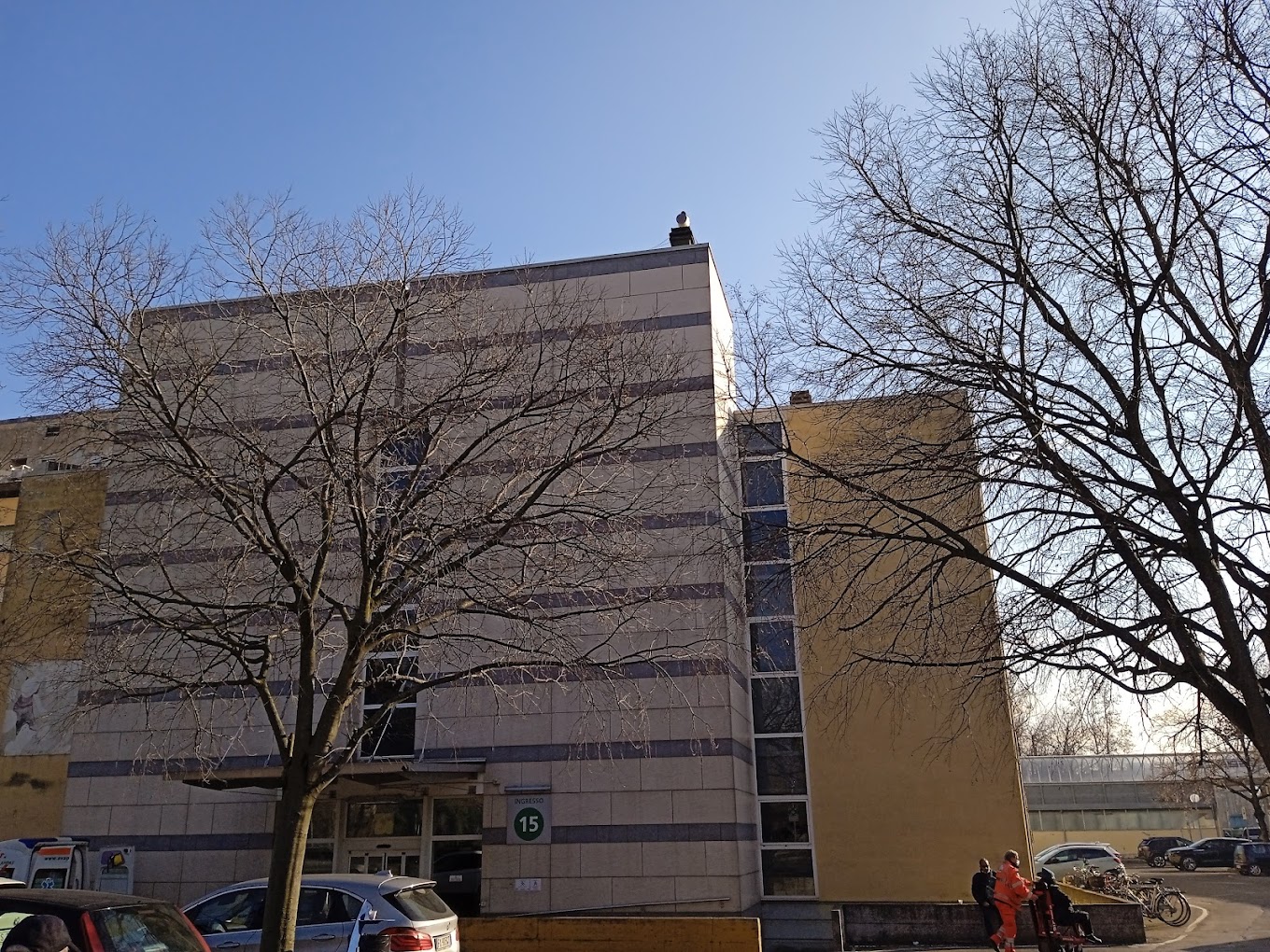
The Dialysis Centre of the University Hospital of Modena manages a high-volume clinical activity, including:
- 260 hemodialysis patients and 60 peritoneal dialysis patients
- 46 dialysis stations
- 7 nephrologists and 60 nurses
- around 40,000 hemodialysis treatments and 300 peritoneal dialysis treatments per year
These figures highlight how even small organizational improvements can translate into a meaningful environmental impact.
THE CHALLENGE: WASTE AND VARIABILITY IN PRACTICE
The first step was to identify the key issues:
- high production of hazardous healthcare waste
- variability in clinical practices and material management among nursing staff
In particular, we explored how daily operational choices (e.g., priming, reinfusion, circuit management) could influence both the quantity and type of waste generated.
HOW WE INVESTIGATED THE PROBLEM
We adopted a multidimensional approach combining:
- anonymous questionnaire administered to nursing staff
- direct observation of dialysis procedures
- clinical and organizational audits
The questionnaire, completed by 65% of nurses, provided valuable insights into real-world practices and perceptions of waste management.
WHAT WE LEARNED
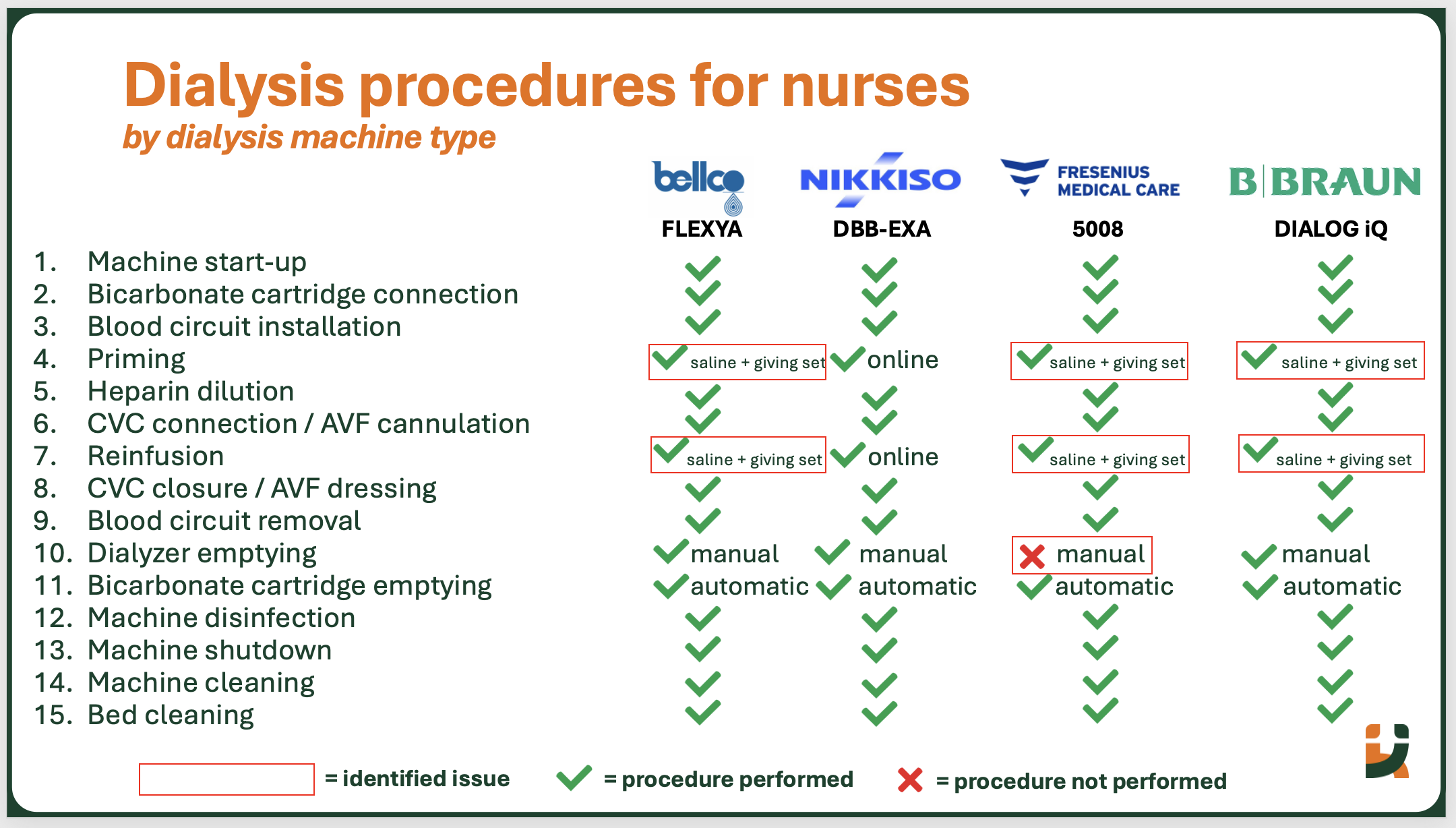
Significant variability in clinical practices was observed, with direct implications for both waste generation and resource consumption across dialysis sessions. For example, some staff still relied on normal saline and infusion sets for priming and reinfusion, reflecting differences in adherence to more sustainable practices such as online techniques.
Uncertainty in waste segregation also emerged as a relevant issue: approximately 23% of nurses reported unclear colour coding or uncertainty in the disposal of specific medical devices. In parallel, knowledge gaps were identified, with 87% of respondents not familiar with the formal definition of hazardous healthcare waste.
Operational barriers further contributed to this variability, as certain procedures—such as dialyzer drainage on specific machines—were perceived as cumbersome and time-consuming, potentially discouraging optimal waste management practices.
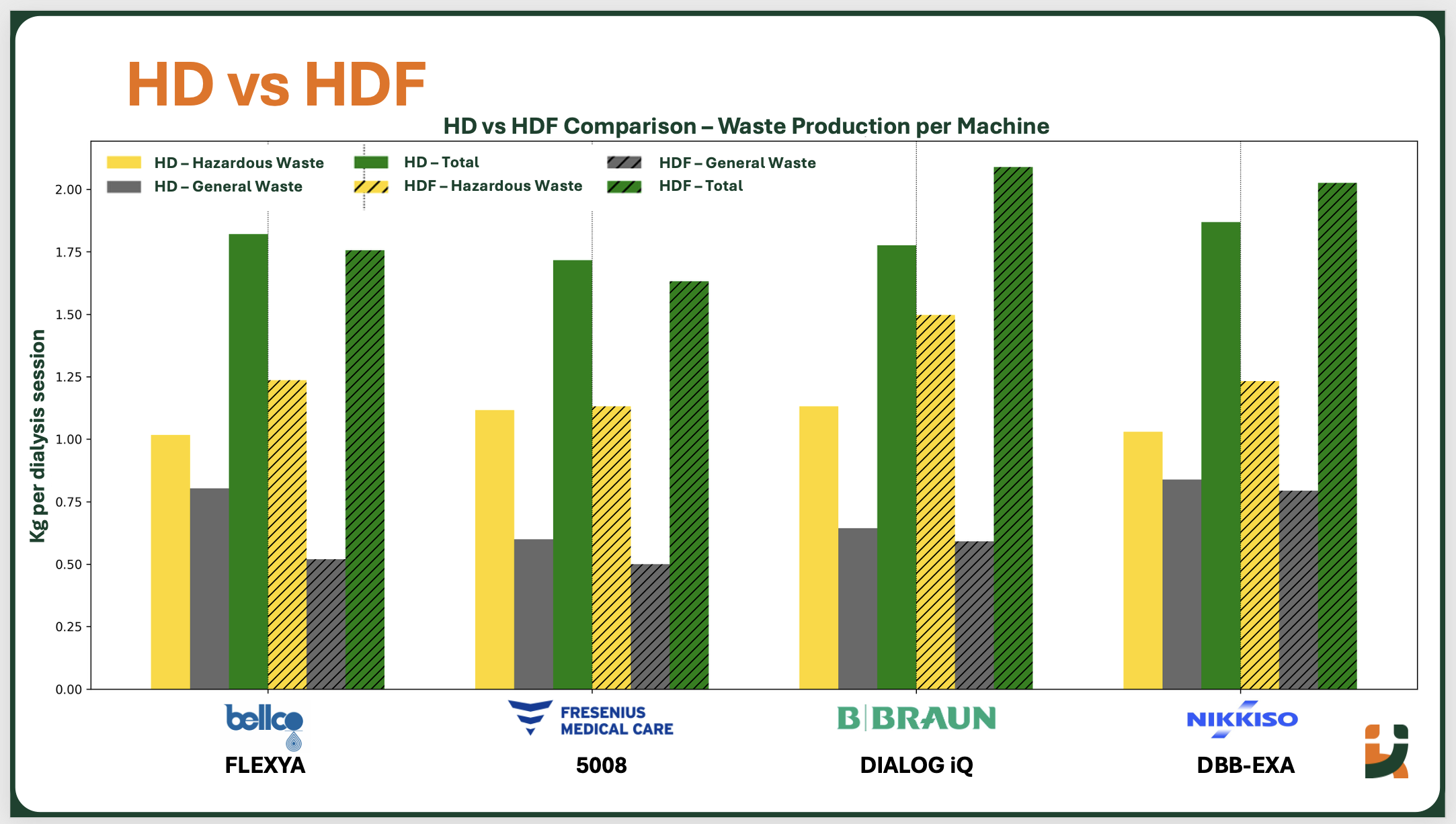
Finally, quantitative analysis of waste production per dialysis session revealed measurable differences between hemodialysis and hemodiafiltration, highlighting how technical and procedural choices can influence the environmental footprint of treatment.
FROM INSIGHT TO ACTION: A COLLABORATIVE APPROACH
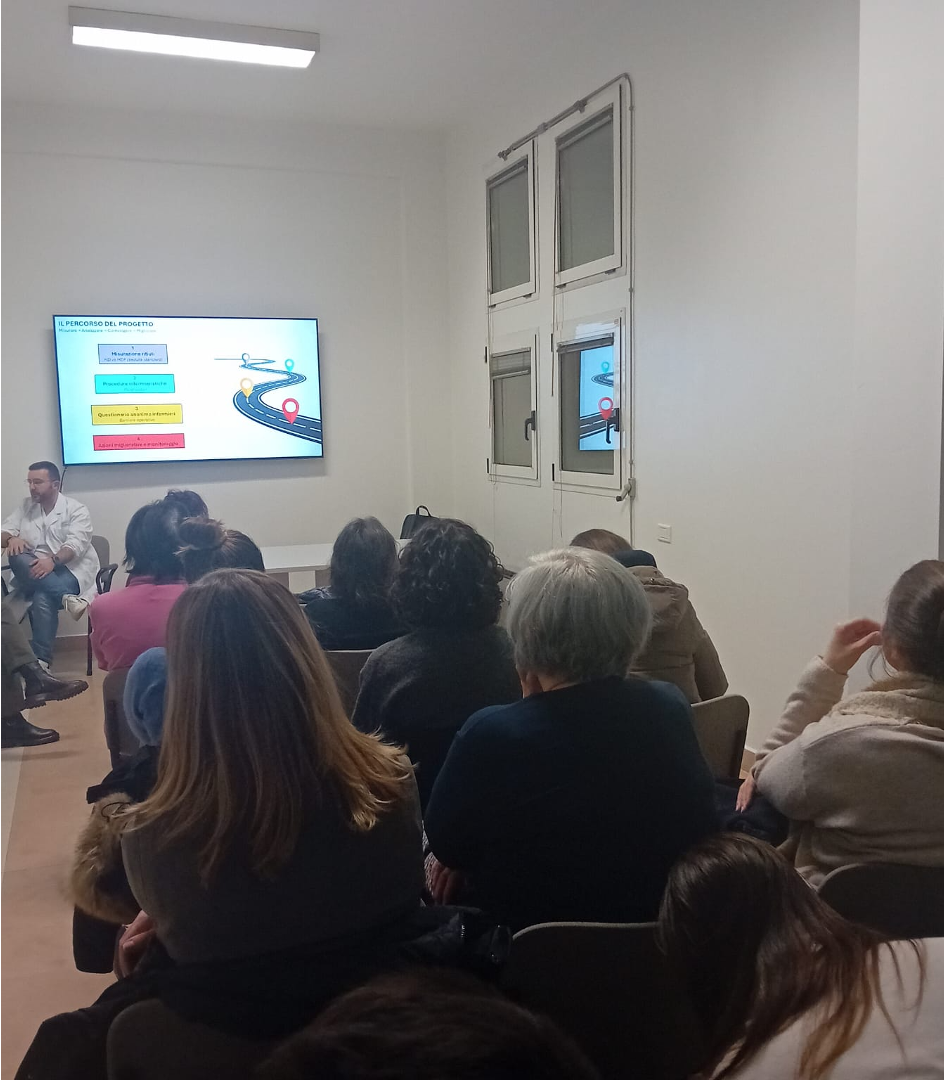
A key strength of the project was the active involvement of nursing staff throughout all phases of the process. Findings were openly shared and discussed in dedicated meetings, serving as a basis for jointly identifying improvement strategies. This participatory approach increased awareness and facilitated engagement with the proposed changes, supporting their integration into routine clinical practice.
Implemented actions
Based on the collected evidence, several targeted interventions were implemented:
Staff training
- educational sessions on healthcare waste management
- updates on best dialysis practices (e.g., online priming and reinfusion)
Optimization of procedures
- promotion of online priming and reinfusion
- improvement of dialyzer emptying practices
Improved waste management
- installation of dedicated bins for paper and plastic in each dialysis room
- development of visual posters to support correct waste segregation
Audits and monitoring
- periodic audits to assess implementation
- continuous feedback to staff
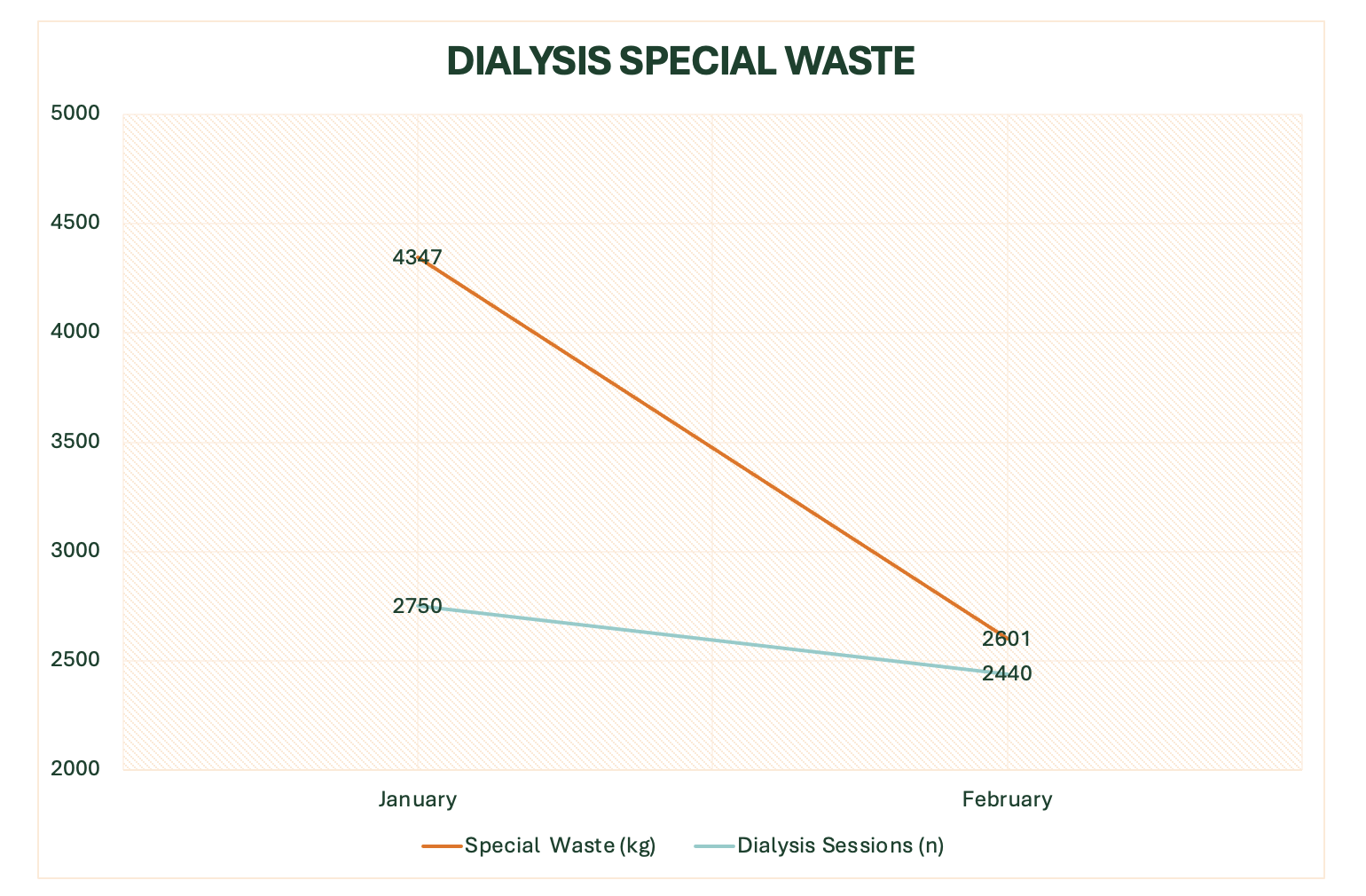
NEXT STEPS
The project is ongoing. Future phases include:
- continuous monitoring of waste production, distinguishing between hazardous and general waste (adjusted for the number of treatments)
- analysis of energy consumption per dialysis session and per machine (priming, treatment, reinfusion, disinfection)
- evaluation of the impact of implemented changes
- ongoing staff engagement through feedback and updates
CONCLUSIONS
Our experience shows that sustainability in dialysis is not primarily a technological challenge, but a cultural and organizational transformation. Small changes in daily practice, when scaled across thousands of treatments, can generate a substantial environmental impact.
By combining:
- systematic data collection
- staff engagement
- targeted and measurable interventions
it is possible to transform daily practices into concrete opportunities for reducing environmental impact.
This project represents a first step towards integrating “green nephrology” into routine clinical care, with the aim of aligning high-quality patient care with environmental responsibility.
Great write up Giuseppe! I love the slide on dialysis procedures for nurses, and highlighting where issues were identified!
Managing to half the special waste from one month to the next is a HUGE achievement!! Congratulations to you and the team!🎉
Thank you Furat!
Please log in or sign up to comment.